


 Deutsch
 English
 Español
 Français
 Nederlands
 Português


 Share
Share




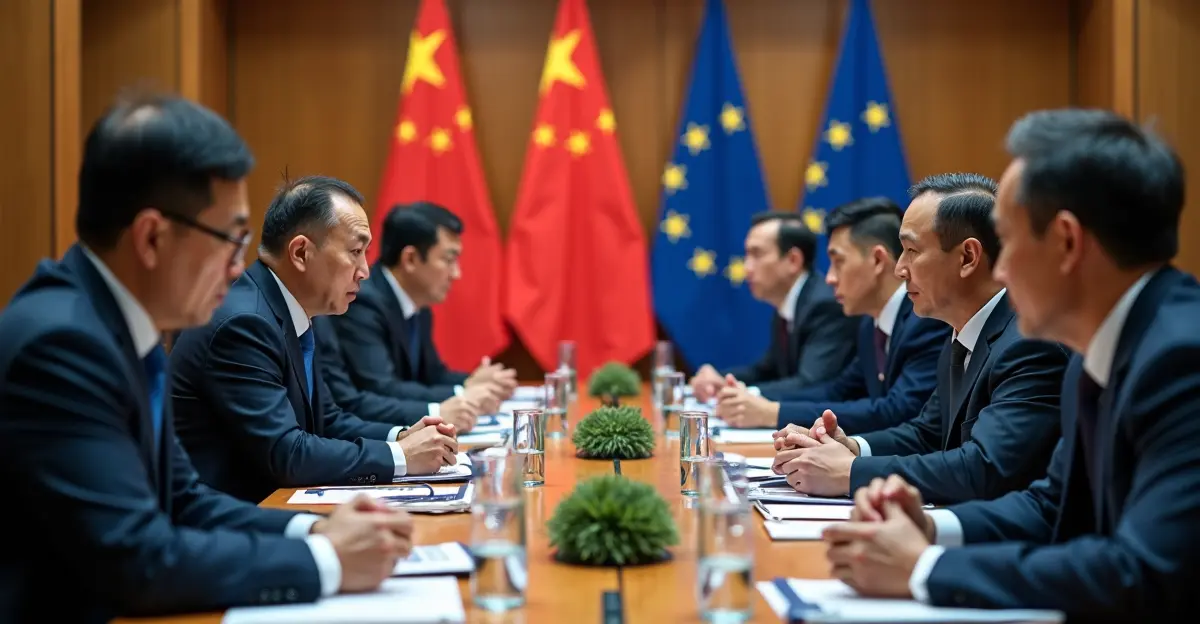
Brussels. On 4 March 2026, the European Commission proposed the Industrial Accelerator Act (IAA), a €200 billion regulatory package aimed at lifting manufacturing's share of EU GDP from 14.3% to 20% by 2035. The proposal, the bloc's most sweeping industrial intervention since the European Green Deal, targets Chinese overcapacity in batteries, electric vehicles, solar photovoltaics and critical raw materials. China's Ministry of Commerce answered on 24 April 2026 with its most direct retaliation threat in more than a decade, branding the draft “systemic discrimination.”
What is the Industrial Accelerator Act?
The Industrial Accelerator Act is the EU's flagship mechanism for rebuilding strategic manufacturing. It rests on three pillars: pre-screening of foreign direct investment (FDI) above €100 million in seven strategic sectors, binding “Made in EU” public procurement preferences, and joint-venture or technology-transfer conditions for non-EU investors. Foreign equity is capped at 49% for companies from countries holding more than 40% of global manufacturing capacity — a threshold that effectively singles out China. The package builds on the EU Green Deal and the 2024 Net-Zero Industry Act.
Why China calls it “systemic discrimination”
Beijing's written comments, submitted on 24 April 2026, argue that the Act violates World Trade Organization most-favoured-nation and national treatment rules. “China will have no choice but to take countermeasures if European actions harm the legitimate rights of Chinese companies,” the commerce ministry warned. Trade analysts note the irony: China is objecting to local-content rules and equity caps — the same mechanisms it has long used against European firms. This dynamic echoes long-standing Chinese local-content requirements in EV and battery supply chains.
From de-risking to confrontation: the €360 billion deficit
The IAA is the clearest sign yet that Brussels is moving beyond its decade-long de-risking without decoupling doctrine. The EU's goods trade deficit with China reached nearly €360 billion in 2025, while China's Q1 2026 trade surplus with the bloc hit a record $148 billion. European manufacturing has slipped from 14.3% of GDP in 2024, and Chinese producers now account for roughly 80% of global lithium-ion battery output. The June 2026 European Council is expected to settle the bloc's final stance.
What the IAA means for key sectors
The Act applies different conditions to four priority value chains. The table below summarises the core measures and the Chinese capacity that motivated them.
| Sector | Key IAA measures | Chinese dominance |
|---|---|---|
| Batteries | 3-year supply-chain cliff; 70% EU parts for EVs | ~80% of global lithium-ion production |
| Electric vehicles | Made-in-EU procurement preferences | Record imports despite 2024 tariffs |
| Solar PV | Low-carbon and local-content quotas | ~80% of global module output |
| Critical raw materials | Technology-transfer and JV conditions | Dominant refining and processing share |
Batteries and electric vehicles
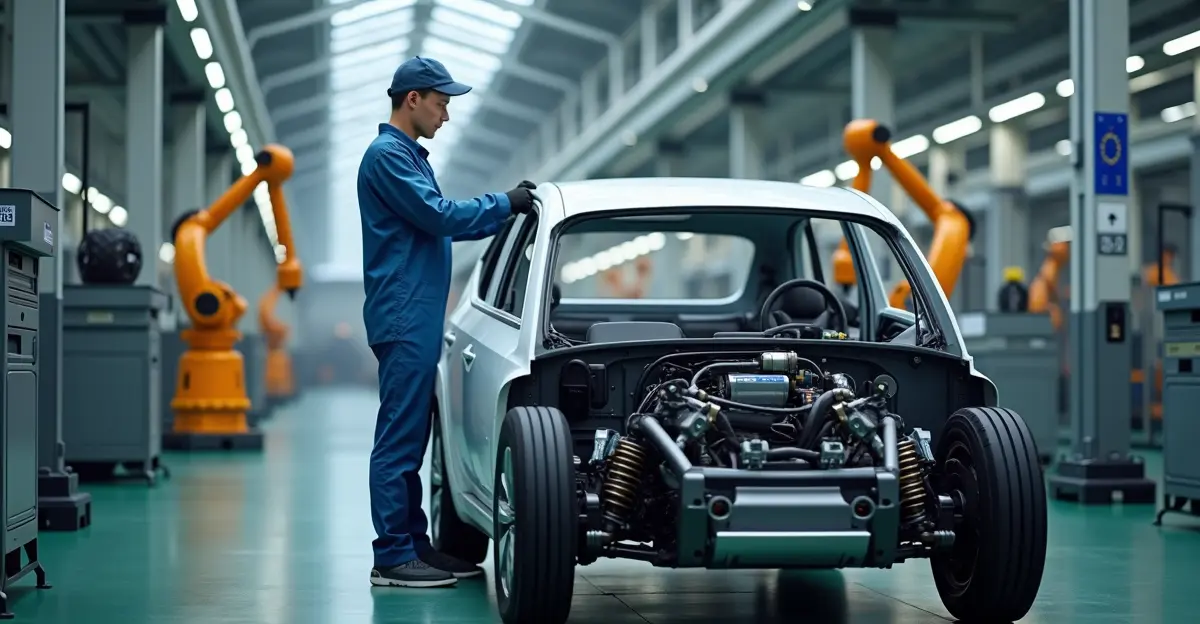
Automakers will need to source 70% of EV components in the EU to qualify for public contracts, a rule designed to blunt the price advantage of Chinese manufacturers. The IAA also imposes a three-year battery supply-chain cliff, forcing European producers to phase out non-EU critical inputs.
Solar PV and critical raw materials
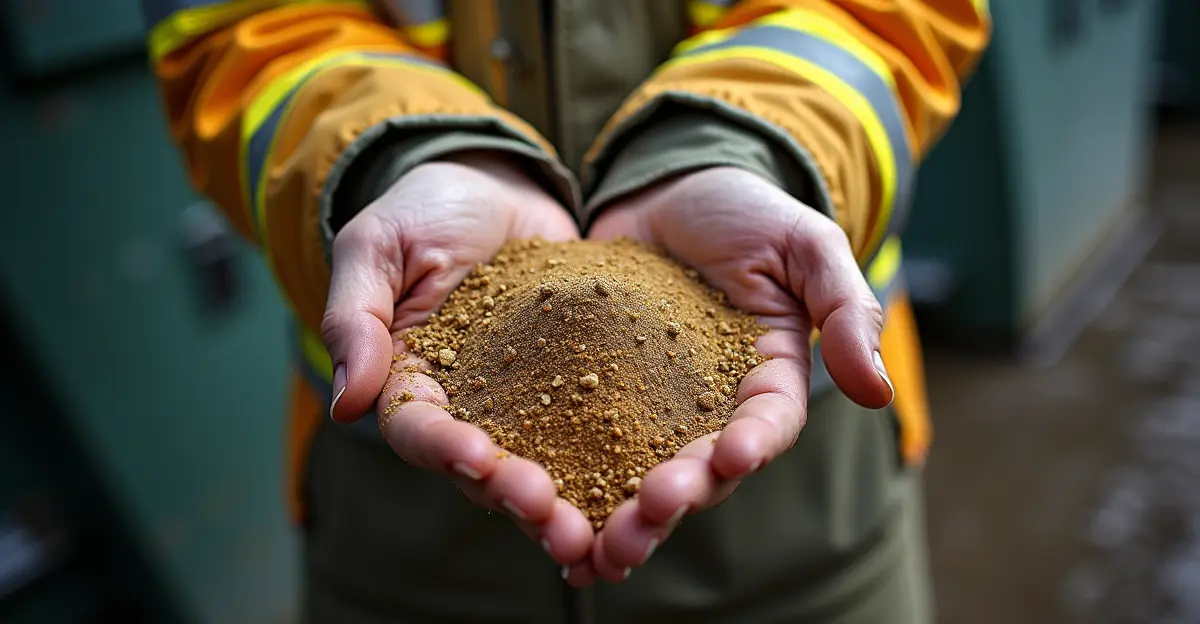
For solar photovoltaics, low-carbon procurement quotas reward EU-made modules, while critical raw material investors face mandatory technology transfers. These provisions target the critical raw materials supply chains that Europe has struggled to diversify.
What happens next: impact and outlook
The European Parliament's ITRE, IMCO and INTA committees appointed rapporteurs on 29 April 2026, with a joint report expected in September. Diplomats say member states remain split: Germany and France want a harder line, while smaller economies fear retaliation. If adopted, the IAA could reshape the EU electric vehicle market and force Chinese groups to localise production. Beijing, meanwhile, is calibrating its response around trade talks with Washington, keeping EU channels open while signalling resolve.
FAQ
What is the EU Industrial Accelerator Act? It is a 2026 proposal to raise manufacturing's EU GDP share to 20% by 2035 through FDI screening, Made-in-EU procurement and technology-transfer rules.
Why is China threatening countermeasures? China calls the Act “systemic discrimination” and says it breaches WTO principles, warning of retaliatory steps if Chinese firms are harmed.
Which sectors does the IAA cover? The Act targets batteries, electric vehicles, solar photovoltaics and critical raw materials, alongside steel, aluminium and cement.
When will the EU finalise the Industrial Accelerator Act? The European Council is due to set its stance in June 2026, and a parliamentary report is expected by September 2026.
How is this different from de-risking? Unlike earlier de-risking, the IAA moves toward selective decoupling through binding local-content and equity restrictions.

Follow Discussion